Troy Ounce vs Gram: Reading Gold Weight Correctly
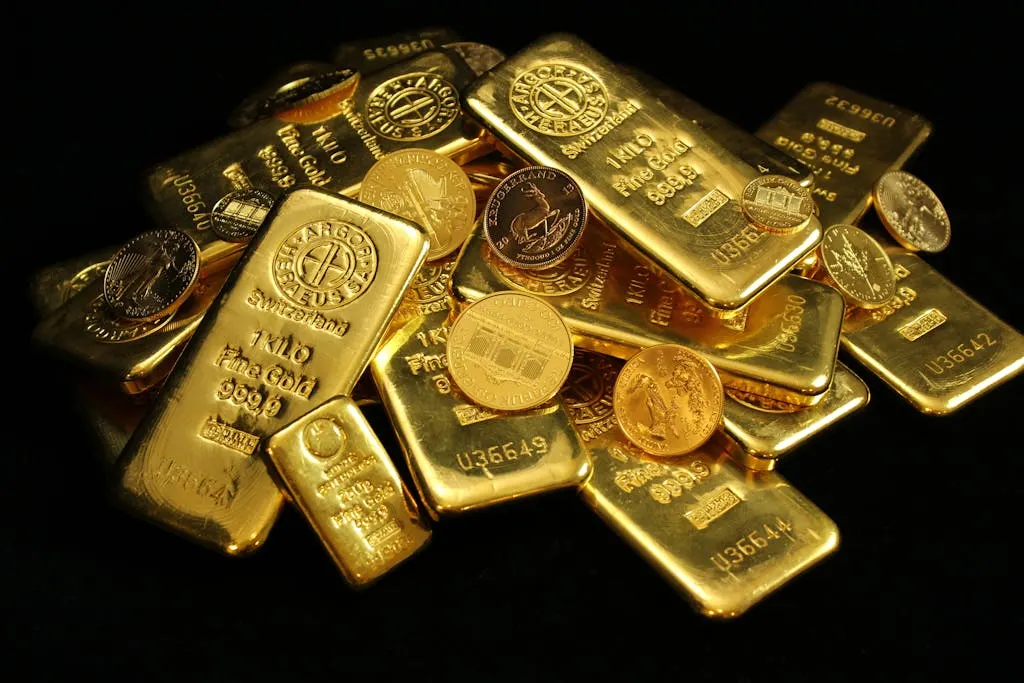
A troy ounce is the standard unit for quoting gold and weighs 31.1035 grams. A gram is smaller, so its price is naturally lower. Reading gold weight correctly means checking the unit first, then the fineness, then the premium, so that two quotes describe the same amount of metal. It is a simple discipline with a big payoff.
Why gold uses a special ounce
The troy ounce comes from the traditional weights used for precious metals. It is heavier than the ordinary ounce used for food. Gold spot quotes, large bars, and many coins refer to this unit even when a product page does not spell it out clearly.
Assuming a kitchen scale ounce is the same thing creates a noticeable error. Always read the label before doing arithmetic. If a listing says one ounce without naming the system, ask the seller to confirm whether it means a troy ounce.
Convert with one fixed number
Divide a troy ounce price by 31.1035 to reach a pure gold gram price. Multiply the gram price by 31.1035 to move back to ounces. Keep the same precision throughout, then round only at the end so small differences do not compound.
The unit converter page helps with unit changes, and the live price board shows the benchmark quote that starts the calculation. Write both numbers in your notes so you can retrace the result later if a listing changes.
Weight is not the same as value
A heavier piece is not automatically worth more. Fineness determines how much of that weight is actually gold. A large 18-karat item can contain less gold than a smaller 24-karat coin, even though it feels heavier in the hand.
Premium also matters. A recognized coin may cost more per gram than a plain bar because buyers value its design and liquidity. Read the per-gram guide to see how purity and premium join the calculation.
Avoid common label traps
Watch for gross weight, pure gold weight, and total item weight described as if they were identical. Jewelry often lists total weight including stones or alloy. Bullion products usually state both gross weight and fine gold content.
Before buying, compare the fine gold weight across offers. Then check the one-ounce coin guide for a practical example of why one ounce is such a useful reference point in bullion pricing.
Common questions
How many grams are in a troy ounce of gold?
One troy ounce equals 31.1035 grams. This fixed conversion is the basis for turning a spot ounce quote into a gram figure. Use the full number in calculations, then round the final answer. That approach keeps comparisons consistent across coins, bars, and jewelry.
Is a gram price always cheaper than an ounce price?
The number is smaller because the unit is smaller, not because the gold is better value. Compare like with like after conversion. A gram quote may still include a high premium per gram, so check the breakdown before concluding that it is the better buy.
What should I check first on a coin listing?
Check the stated fine gold weight, then the fineness, then the premium. If the listing gives only a total price, ask for the missing details. Clear weight language protects you from comparing a full coin with a fractional piece on misleading terms.
Weight discipline is simple: name the unit, convert carefully, and confirm fineness. Once those habits are in place, gold quotes become much easier to compare.