24-Karat Gold Price: What You Are Actually Paying For
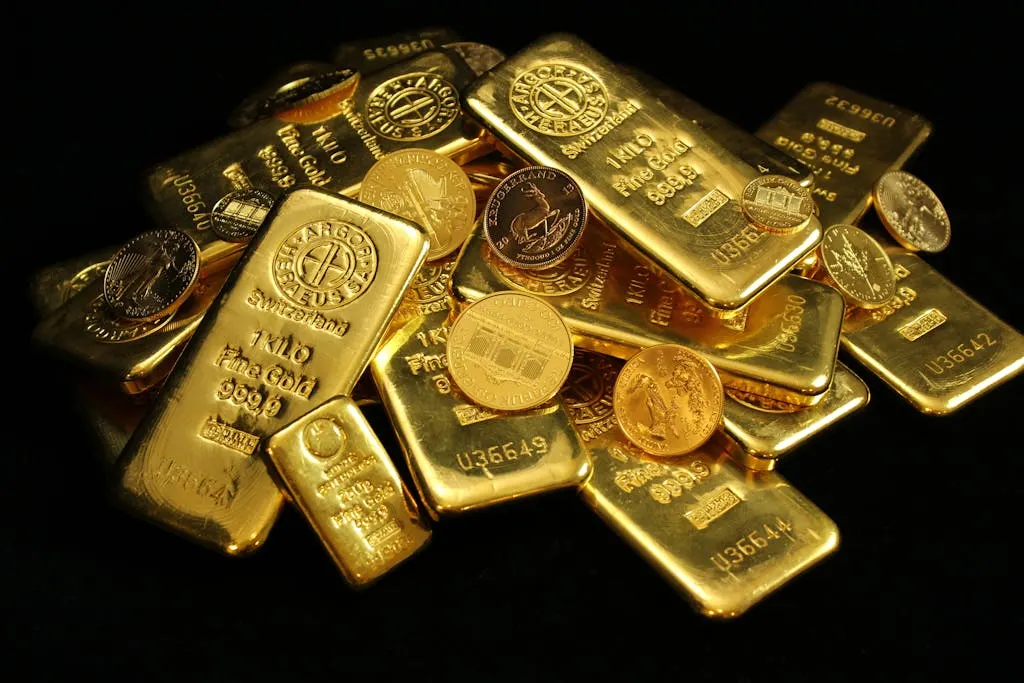
A 24-karat gold price reflects metal that is essentially pure, usually 99.9% or 99.99% fine. You pay the spot-derived value of that gold content plus any premium for the form it comes in. The karat label tells you purity; it does not tell you the final retail price. Read both the fineness stamp and the quote breakdown.
What 24 karat actually means
Karat measures parts of gold out of 24. Twenty-four karat therefore describes metal at or near full gold content. Because perfect purity is difficult and unnecessary, refined products state an exact fineness such as 999 or 9999.
That fineness is the number to use in calculations. A stamp gives more precision than a marketing phrase. If a piece is described only as pure gold, ask for the stamped fineness before comparing it with a bullion coin.
How the price is built
Begin with spot gold per troy ounce, convert to grams if needed, and apply the fineness. That gives the metal value. The retail quote then adds a premium for minting, distribution, authentication, and service.
Taxes and delivery are separate again. A clean quote shows each layer so you can see what you are paying for. The per-gram breakdown and the troy ounce notes cover the arithmetic.
Why form changes the total
A 24-karat coin, a small bar, and a high-purity ring can share the same fineness but carry very different premiums. Coins may have recognized designs and broad resale interest. Jewelry includes labor and design that may not return at resale.
Fractional products often carry higher premiums per gram because fixed costs are spread across less metal. Read the premium explanation before assuming that a lower total price is automatically better value.
Compare like with like
Use the same unit, fineness, and premium definition for every offer. A lower karat piece can still be priced fairly if the discount reflects its true gold content. A 24-karat label alone does not make a purchase efficient.
Check the live price board and keep your notes beside each listing. When the numbers are aligned, differences become easy to explain instead of mysterious.
Common questions
Is 24-karat gold always 100% gold?
Almost, but not literally in most products. Fineness stamps such as 999 or 9999 express the exact content. Those figures are close enough for most comparisons, but use the stamped number rather than assuming a perfect hundred percent. Exact wording varies by market.
Why is a 24-karat coin dearer than spot?
Because spot refers to raw metal in the wholesale market. A finished coin has minting, handling, and dealer costs built into its premium. Demand for a recognized design can add more. The final price is metal value plus those layers, not spot alone.
Does higher karat always mean better value?
Not necessarily. Higher karat means more gold per gram, but the purchase price may include a larger premium or design cost. Compare metal value and premium separately. For bullion goals, clear pricing and resale recognition usually matter more than the highest karat number.
A 24-karat price is straightforward once you separate purity from premium. Check the fineness, confirm the unit, and compare the full quote before deciding what you are really paying for.