One-Ounce Gold Coins: What to Know Before Buying
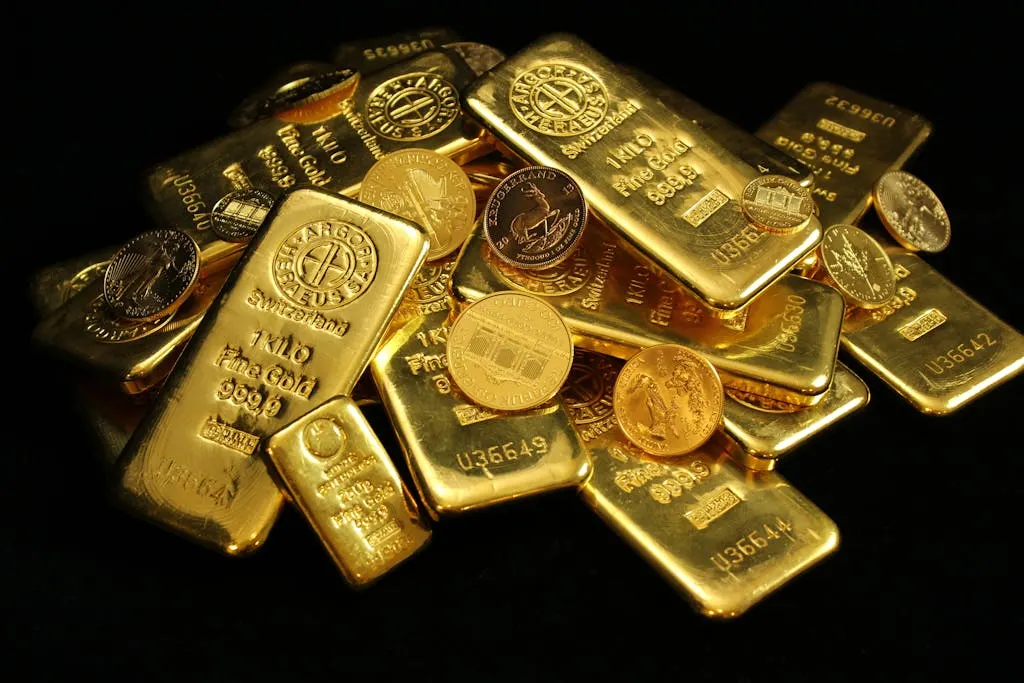
A one-ounce gold coin is the most common reference point in the bullion market because its weight matches the standard spot quote. Its price is the spot ounce value plus a premium, and its size makes comparisons simple. Before buying, check fineness, design, mintage type, and the dealer's full terms. Those details explain most differences between similar-looking coins.
Why one ounce is the reference
Spot gold is normally quoted per troy ounce, so a one-ounce coin gives you a direct comparison. You do not need to convert units before estimating metal value. Add the premium and any fees, and you have a clear structure.
Confirm that the coin contains one troy ounce of fine gold, not just one ounce of total metal. Check the troy ounce guide for the weight distinction and the live price board for the live benchmark. The two checks belong together.
What the price contains
The metal value comes from spot. The premium covers production, distribution, and dealer service. A recognized design may carry a steadier premium, while a special finish can cost more. None of those extras change the underlying ounce of gold.
Use the unit converter only if you want to see the gram equivalent for comparison. The main calculation remains simple: one ounce at spot, then the added amount. If a quote cannot be broken down that way, ask for clarification.
Storage and liquidity
A full-ounce coin is compact for the value it holds. That makes storage easier than an equivalent amount in smaller units. It is also widely understood by buyers, which can help when comparing resale offers.
Liquidity still depends on condition, documentation, and market demand. Keep the invoice and avoid handling the coin's surfaces unnecessarily. Read the Eagle vs Maple Leaf comparison for a practical comparison of two common choices.
Who should choose a full ounce?
It suits buyers who want a simple unit, enough budget for one piece, and a straightforward resale reference. It may not suit someone who wants more frequent small purchases or flexible gifting. That is a budget question, not a judgement about value.
For smaller amounts, the fractional coin guide explains the benefits and extra premium per gram. Choose the format that supports your plan rather than the one that merely looks impressive.
Common questions
Does one ounce mean exactly one ounce of pure gold?
In standard bullion coins, the stated fine gold weight is one troy ounce. Always verify the exact product listing, because versions and formats vary. The word fine is important: it refers to gold content, not the total weight of an alloy or a decorative setting.
Why do two one-ounce coins have different prices?
They can differ in design, finish, mintage, condition, and seller premium. One may be a standard bullion issue while another is a proof or limited version. Compare the metal value first, then identify what the extra amount is paying for.
Is a one-ounce coin hard to sell?
Generally, recognition helps, but the final offer depends on the buyer and the coin's condition. Keep records and compare more than one quote if you sell. A clear product description at purchase makes that process easier. It also reduces questions about what you actually own.
One-ounce coins are popular because the maths is clean and the product is easy to understand. Confirm the fine weight, separate premium from spot, and check the seller before you commit.