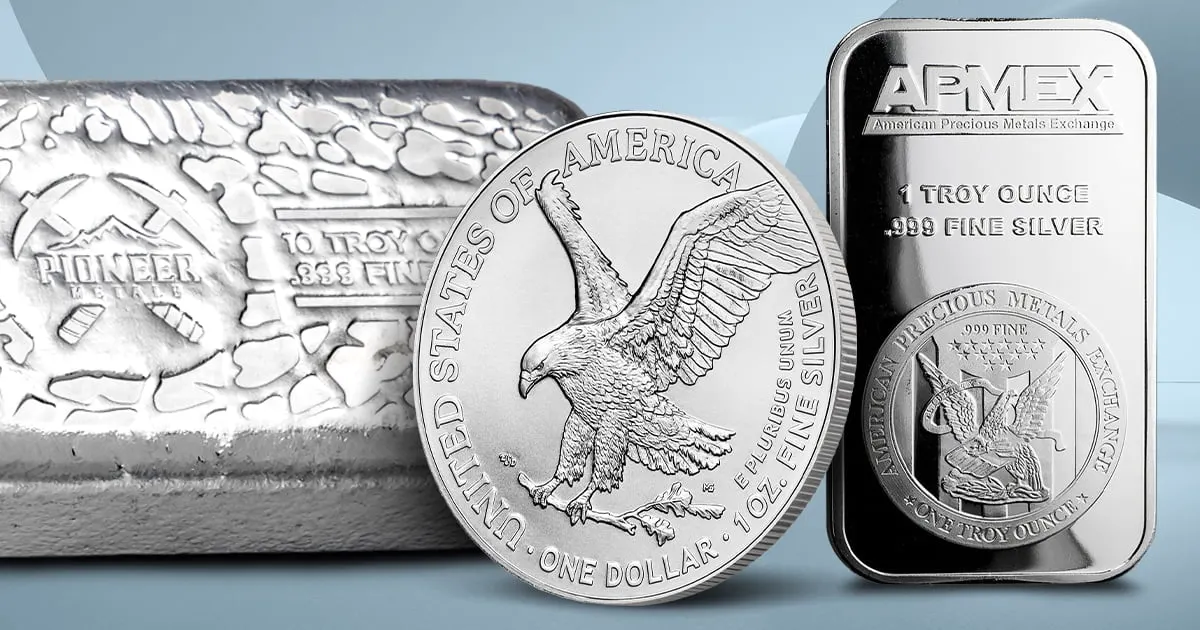
American Eagle vs Canadian Maple Leaf: A Straight Comparison
American Eagle and Canadian Maple Leaf gold coins both contain one troy ounce of fine gold, but they differ in design, legal-tender context, mintage scale, and typical premium. Neither is automatically better. Your choice depends on whether you value recognition, origin, or the lowest sensible premium. Both are common benchmarks in the bullion market.
Metal content and specifications
Both coins are widely treated as one-ounce gold bullion products. That makes spot-based comparison straightforward: start with the same ounce quote and compare the premium added by each seller. Always confirm the current specification on the product page before buying.
Use the one-ounce coin guide for the general weight logic and the live price board for the live benchmark. The key is to compare identical units. A design difference should not be allowed to hide a different amount of gold.
Design, origin, and legal status
The Eagle carries American imagery and legal-tender status in the United States. The Maple Leaf carries Canadian imagery and legal-tender status in Canada. These details are part of each coin's identity, but they do not change the basic spot calculation.
Legal-tender status does not mean a coin will be accepted at face value in daily shopping. Its market value comes from gold content and premium. For bullion buyers, recognition usually matters more than the ceremonial wording.
Premiums and liquidity
Both coins are broadly recognized, which supports resale. The premium for each can change with local demand, supply, and seller pricing. In some markets one may be easier to find; in others the other may trade more actively.
Compare several offers using the dealer comparison guide and separate the premium from the metal value. If you plan to sell later, ask about buyback terms now. Liquidity is easier to judge before purchase than after.
Which one suits your goal?
Choose the coin with the clearest total cost and the specifications you prefer. If you want a recognizable bullion coin and the premiums are close, design and personal preference are reasonable deciding factors. If one premium is clearly higher, ask why.
For buyers interested in finishes, the finish comparison explains why collector versions cost more. For most first purchases, a standard bullion version keeps the decision focused on metal and premium.
Common questions
Are both coins exactly one troy ounce of gold?
Both are standard one-ounce gold bullion coins in their regular formats. Always verify the exact product listing, because special issues and fractional versions exist. Use the stated fine gold weight, not the coin's diameter or appearance, as the basis for comparison.
Which coin has the lower premium?
It depends on the seller, region, and stock at the time. Neither has a permanent advantage in every market. Compare the same spot reference, payment terms, and delivery cost before deciding. A small difference is less important than a clear, explainable quote.
Will either coin be easier to sell?
Both have strong recognition, but local buyer demand can differ. Ask dealers about buyback terms and compare recent buying interest in your market. Recognition helps, but a fair offer still depends on condition, documentation, and the premium at resale. Those factors deserve attention before you buy.
Eagle and Maple Leaf coins both satisfy straightforward bullion goals. Compare the gold content, full premium, and resale terms, then choose the one that fits your own priorities.