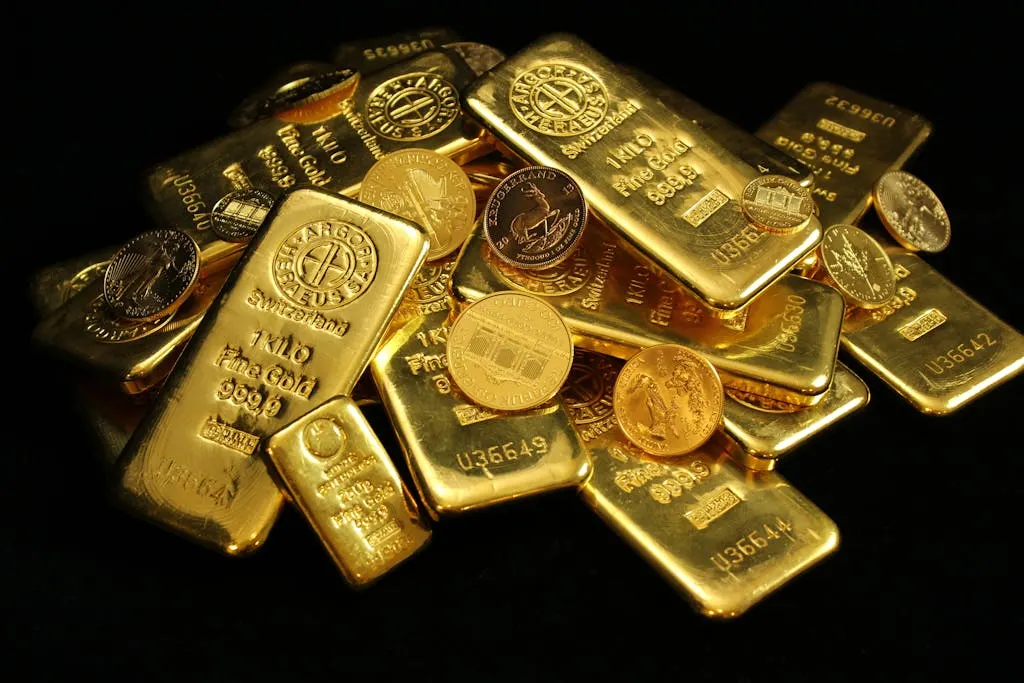
How to Tell If Gold Is Real: A Step-by-Step Check
You can screen gold at home with a few simple checks, but none proves purity on its own. Look at the stamps, weigh and measure the coin, and try a magnet. Each step rules out certain fakes. When the purchase is significant, professional testing gives the certainty that household methods cannot provide.
Start with the visible details
Start with the visible details. Genuine bullion coins show crisp lettering, even rims, and consistent design depth. Compare the piece with reference images in our article library before you handle it further. Soft or blurred detail can indicate a cast copy rather than a struck coin.
Read the stamps with a magnifier. A gold coin usually states fineness, weight, year, and issuing authority. Marks that look freshly punched over an older design deserve suspicion. Colour helps only as a clue: plating can wear thin, while lighting changes how gold appears.
Measure weight and size
Weigh the coin on a scale reading to 0.01 grams, then measure diameter with callipers. Reputable mints publish exact figures, and a genuine piece should fall within a tight tolerance. Record both numbers rather than trusting a single measurement.
A counterfeit can copy the diameter but use a lighter core, so checking one figure misses it. Our converter translates between grams and ounces when a specification uses another unit. Older coins may lose a trace of weight through honest wear.
Try a magnet carefully
Gold is not magnetic. Hold a strong magnet near the coin and see whether it pulls. A firm grab means the piece contains magnetic metal and is not solid gold. Some genuine modern coins have small magnetic parts, so no reaction is not proof either.
Avoid scratching a coin you value. Scratch tests damage surfaces and reduce resale appeal. For a non-destructive professional method, read our guide to XRF testing, which explains how handheld analysers read the alloy.
Know when to get confirmation
Plated tungsten can fool weight, size, and visual checks. If you are spending a significant sum, ask for independent certification from a recognised grading service.
Follow market context on our prices page, but price says nothing about authenticity. A bargain is a reason to check harder. Keep photographs and measurements; our about page explains our educational approach.
Common questions
Can a home test prove a coin is pure gold?
No single home test proves purity. Magnet, weight, size, and visual checks each rule out specific fakes, but they cannot measure the alloy precisely. For a high-value purchase, professional XRF analysis or certification from a reputable grading service is the sensible way to confirm what the coin contains.
Does a magnet test damage gold coins?
No. Gold itself is not magnetic, and a magnet placed near a coin does not harm it. Some pieces include magnetic clasps or added components, so check the whole item. Avoid dragging the magnet across the surface, which can scratch the finish on an otherwise sound coin.
What should I do if a coin fails a check?
Stop the transaction and ask the seller for documentation. A failed check does not always mean a coin is fake, but it needs an explanation. Take the piece to a reputable dealer or testing service for an independent opinion before parting with any more money.
Checking gold is a process of elimination. Use several cheap checks in order, learn the specifications, and escalate to professional testing when the amount at stake calls for real certainty.