XRF Testing for Gold: How It Works and When It Matters
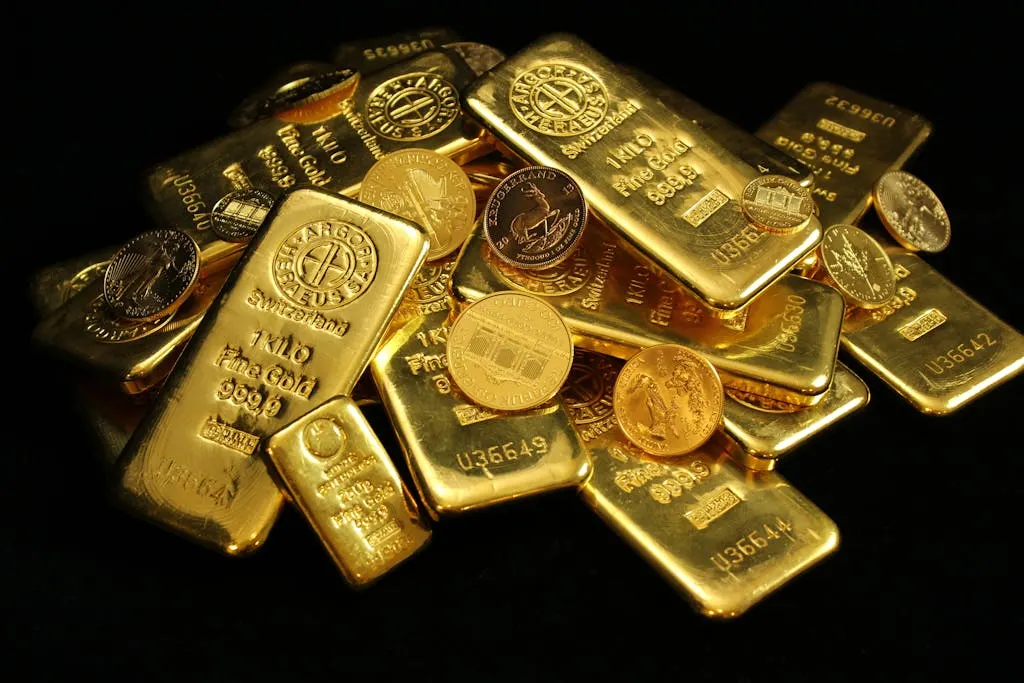
XRF testing uses X-rays to identify the elements in a metal alloy without cutting or scratching the item. A handheld scanner directs a beam at the surface and reads the fluorescent energy that returns, giving a composition reading in seconds. For gold coins, that means you can check fineness without harm. The method is powerful but not magic, and knowing its limits helps you use the result sensibly.
The science behind XRF
When X-rays strike metal, they cause atoms to release energy at wavelengths specific to each element. The analyser measures that energy and works out which elements are present and roughly how much of each there is.
Gold, silver, and copper each produce a distinct signature. A calibrated instrument can separate common gold alloys with useful accuracy. The reading still carries a margin of error that depends on the instrument, calibration, and operator skill.
What XRF can and cannot detect
XRF is good at identifying the surface composition of a solid alloy. It can confirm that a coin claiming high fineness is mostly gold and reveal unexpected elements in the mix. That is far more informative than a magnet or vinegar test.
Its weakness is depth. The X-rays read a shallow surface layer, so a thick gold plating over a different core may look like solid gold. Dirty or corroded surfaces also affect results; a clean, flat area gives the best reading.
When testing matters
XRF is most valuable when a purchase is large enough that a mistake would hurt. For an ungraded coin from a private seller, an independent reading provides reassurance that home checks cannot.
For certified coins, the grading service has already verified the piece. Our guide to certified gold coins discusses that route. Before paying for analysis, compare weight and size with specification; our measurement guide can flag a mismatch no XRF result should override.
Combine the evidence
A good review layers several kinds of evidence. Start with visual inspection and hallmarks, then weight and diameter, then a composition reading. If all three agree, confidence is high. If any conflict remains, resolve it before paying.
Keep the printed result with the coin's date, mint mark, and measurements. Follow market context on our prices page, and use our converter when specifications use a different weight unit.
Common questions
Does XRF testing damage the coin?
No. The X-ray beam does not scratch, cut, or alter the metal, so the coin's condition remains unchanged. The practical considerations are surface cleanliness and choosing a suitable spot. This is why professionals prefer XRF over acid or scratch tests for valuable pieces.
Can XRF detect gold plating?
Sometimes, but not always. Because the technique reads a shallow surface layer, a thick, high-quality plating can give a reading that looks like solid gold. If weight or dimensions do not match the specification, ask for further investigation rather than trusting the surface result alone.
Is a handheld XRF result final?
It is strong evidence but not a legal guarantee. Accuracy depends on calibration, surface condition, and operator skill. For a high-value dispute, a laboratory assay provides a more formal conclusion. Use the handheld reading as one part of a wider check.
XRF brings laboratory-style analysis to everyday verification. Used alongside careful measurement and a clear view of its limits, it is one of the strongest non-destructive checks available.