Gold Hallmarks Explained: Reading Stamps on Coins

Hallmarks are small stamps that record a gold coin's purity, origin, and sometimes its weight or year. Reading them gives you a quick way to identify a piece and compare it with official specifications. A fineness number tells you how much gold the alloy contains, while a mint mark names the place of striking. These marks are useful evidence, but they can be copied, so start there.
Reading fineness stamps
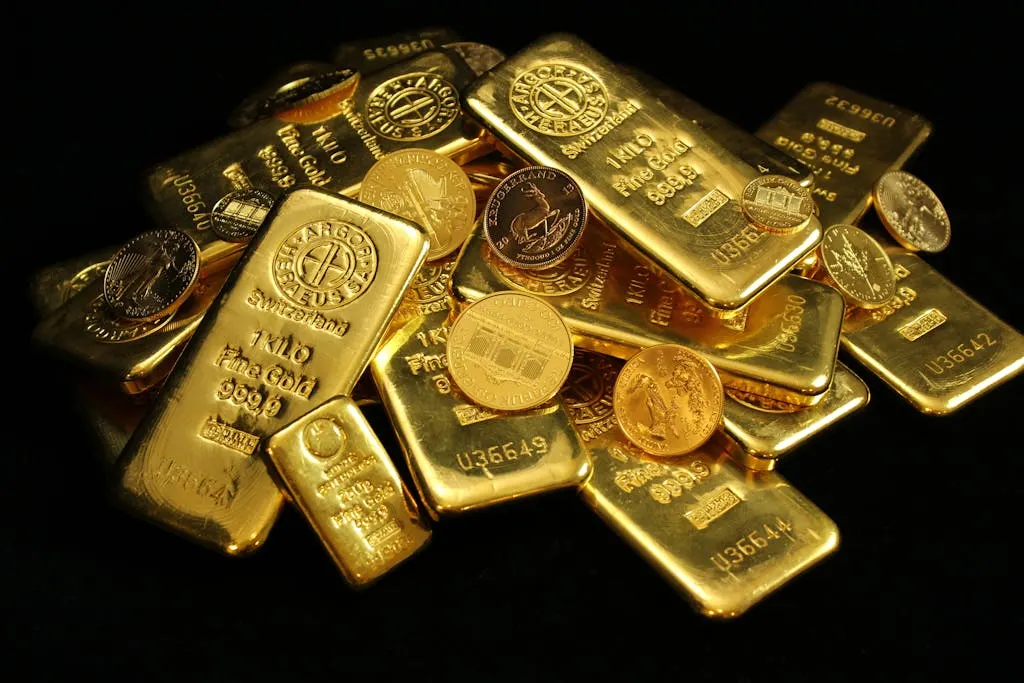
Fineness describes the proportion of pure gold in the alloy. You may see a three- or four-digit number, such as 999, meaning 99.9 percent gold. Older British pieces use carats, where 22 carat equals 91.6 percent gold.
Investment coins state fineness because buyers need to know how much pure metal they contain. A 999.9 coin is almost pure gold, while a 916 coin includes another metal for durability.
Mint marks and authorities
A mint mark is a small letter or symbol identifying the facility that struck the coin. It can affect rarity even when the design is identical. Collectors track these variations closely, which is why the mark matters beyond basic identification.
The issuing authority is often spelled out as a country, ruler, or institution. When you meet an unfamiliar mark, check a catalogue rather than guessing. Our article archive covers several series in detail.
Weight, year, and value
Many bullion coins state weight beside fineness. A one-ounce stamp tells you the coin contains one troy ounce of the stated alloy. If you need a different unit, the converter handles the arithmetic quickly and avoids confusion.
The year can signal a smaller mintage or a subtle design change. Check that the date sits where the mint normally placed it; a relocated date can indicate an altered piece. Face value is the legal tender amount, usually far below metal value.
Hallmarks within a wider check
Counterfeiters reproduce convincing stamps, so a correct-looking hallmark is not proof. Compare the marked specification with the coin's actual weight and diameter. If a coin claims one ounce of 999.9 gold but measures light, something is wrong regardless of the lettering.
For higher-value pieces, certification removes guesswork. A grading service verifies the coin and seals it with a recorded grade. Our guide to certified gold coins discusses when that cost makes sense. Photograph the marks on coins you own for future comparison.
Common questions
Do all gold coins have hallmarks?
Most modern investment coins carry a fineness stamp and an issuing authority, but very old or presentation pieces may be marked differently or not at all. A missing hallmark is not proof of a fake, but it does mean you need stronger evidence from weight, design comparison, and professional verification.
Is 999 gold better than 916 gold?
Neither is universally better. 999 gold contains more pure metal, which matters to bullion buyers. 916 gold is harder because of its alloy content, so it resists handling better. Choose based on whether you want maximum metal content or a coin that stands up to wear.
Can I rely on a hallmark alone when buying?
No. A hallmark is one data point, and skilled copies carry accurate-looking stamps. Always compare the coin's weight and diameter with its stated specifications, and use independent certification for expensive purchases. Hallmarks are a useful filter, not a substitute for proper verification.
Hallmarks reward careful reading. Learn the fineness systems, recognise common mark styles, and check each stamp against the coin's measurements. Combined with honest awareness of their limits, that skill will serve you well.