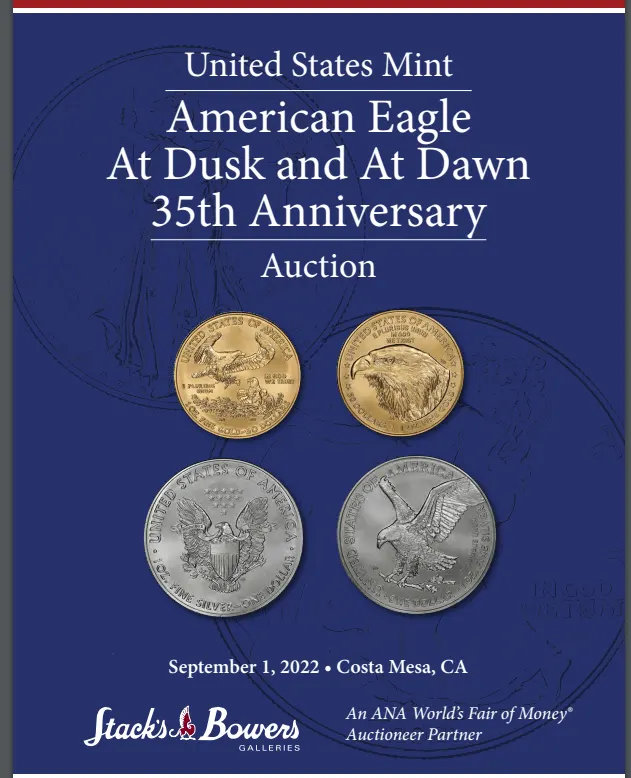
The Best First Gold Coin Purchase for New Buyers
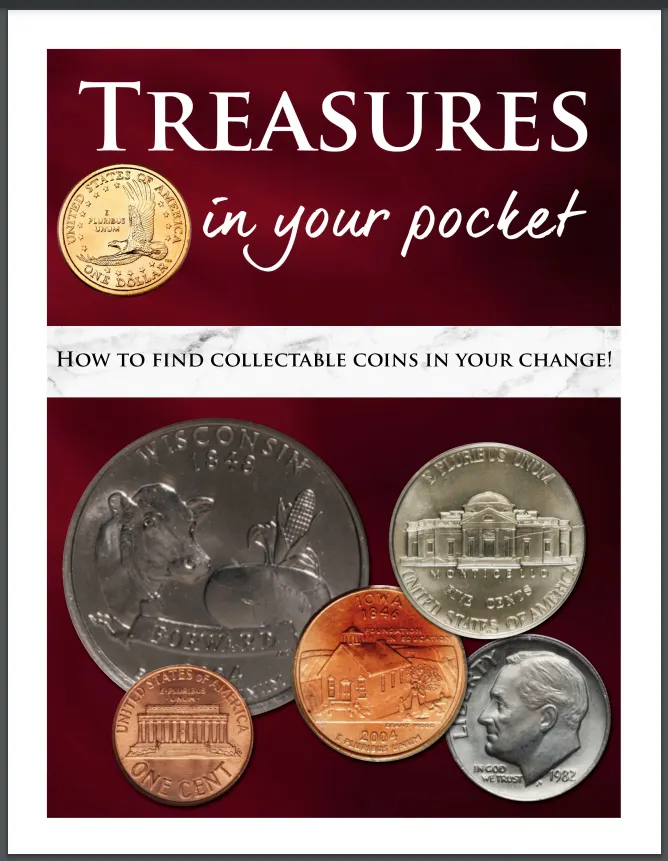
The best first gold coin purchase is usually a widely recognized, simple bullion coin in a size you can afford without strain. Prioritize clear purity, transparent premium, and easy resale over low mintage or elaborate packaging. A first purchase should teach you how the market works, not just fill a display case. Start with a product you can understand fully.
Begin with your actual goal
Decide why you want the coin before comparing designs. If the goal is straightforward metal exposure, a standard bullion coin is usually easier to evaluate than a collector piece. If the goal is collecting, you may accept a higher premium for a finish you enjoy.
Writing the goal down helps you ignore irrelevant features. A first buy is also a learning exercise, so choose something whose price you can explain later. The article library gives context, while one-ounce coin guide shows the standard reference most quotes use.
Recognition matters more than novelty
Coins with broad recognition are simpler to price and usually easier to resell. Their premiums tend to be more transparent because many buyers compare the same specifications. Unusual issues may be interesting, but their value depends more on a smaller market.
Look for clear weight, fineness, and country of issue. Those details matter more than attractive packaging. A plain invoice with full product data is more useful than a decorative certificate with vague wording.
Choose a size that fits your budget
A full ounce matches the standard spot quote and makes comparisons simple, but it is not the only sensible starting point. Fractional coins lower the total amount needed and let you learn with less commitment. The trade-off is usually a higher premium per gram.
Read the fractional coin guide before choosing a smaller format. Then check the premium per gram, not just the checkout total. A comfortable purchase that you understand is better than a large one that pressures your budget.
Check the seller before the design
Use the safe buying checklist as a checklist. Confirm the dealer's identity, published terms, and full cost, including delivery and payment fees. Ask how the spot reference is set and whether the price is held while you pay.
Good questions are part of the purchase. If you need clarification, the contact page is the right place to ask before paying. Clear answers at the start prevent most common first-buyer mistakes.
Common questions
Should I buy the cheapest coin per gram?
Not always. The cheapest option may have weaker resale recognition or unclear product details. Compare the premium per gram alongside fineness, weight, and seller terms. A slightly higher cost can be reasonable when the product is easier to price and sell later.
Is a full ounce better than a fraction?
A full ounce is simpler to compare because it matches the spot quote. A fraction costs less in total but usually carries a higher premium per gram. Neither is automatically better. Choose the size that fits your budget and the way you plan to hold or use the coin.
What paperwork should I keep?
Keep the invoice, product description, payment record, and any stated authenticity or return terms. These documents help you verify what you bought and support a later sale. Store them separately from the coin so both remain easy to find. A simple folder is enough if it is organized.
A good first coin is clear, recognized, and affordable. When you understand the price and the seller, the purchase becomes a useful foundation rather than a guess.