Rare Coins vs Bullion Coins: Choosing Your Focus
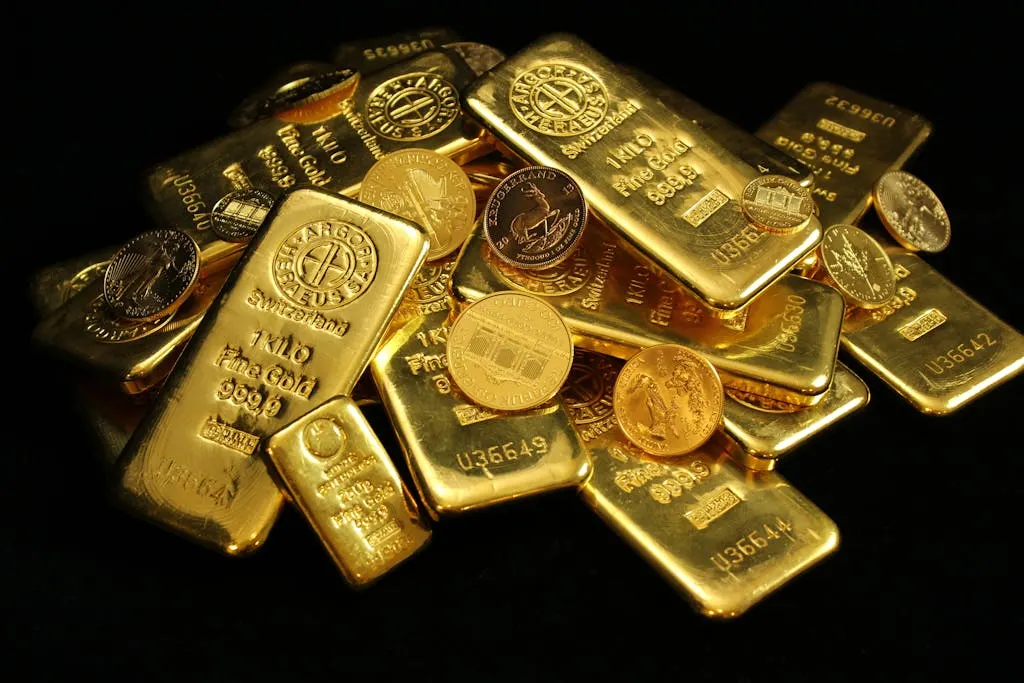
Rare coins and bullion coins are bought for different reasons. Bullion coins are valued mainly for metal content, which makes them straightforward to price and compare. Rare coins are valued for scarcity, condition, and demand, which requires more research and tolerance for price variation. Neither approach is better in every case. The right focus depends on your budget and how much you enjoy the hunt for a specific issue.
How bullion coins are valued
A bullion coin's price starts with metal content and fineness. Modern investment coins are produced to recognised specifications, so identity is easy to verify. Follow the market on our prices page and use the converter for different weight units.
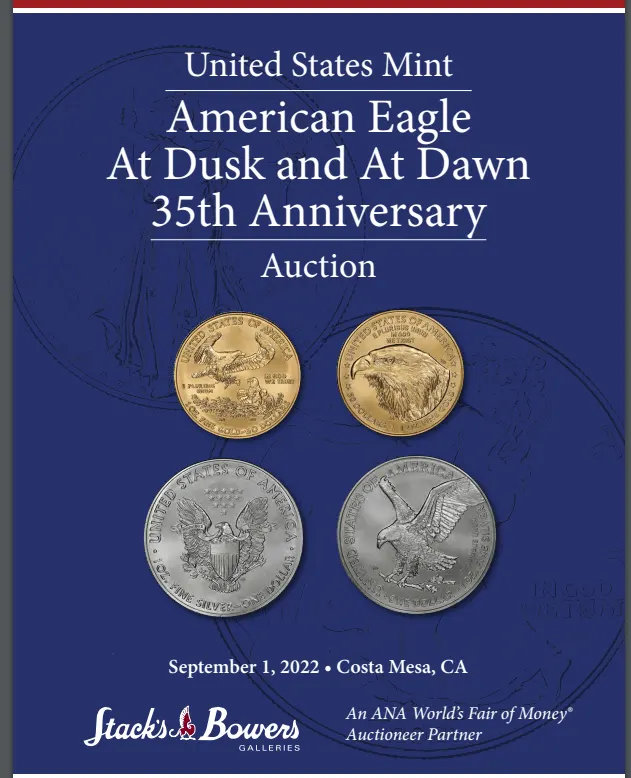
Bullion offers clarity: a one-ounce coin of known fineness can be compared directly with the metal price. There is less need to study mintage figures, which suits buyers wanting simplicity.
How rare coins are valued
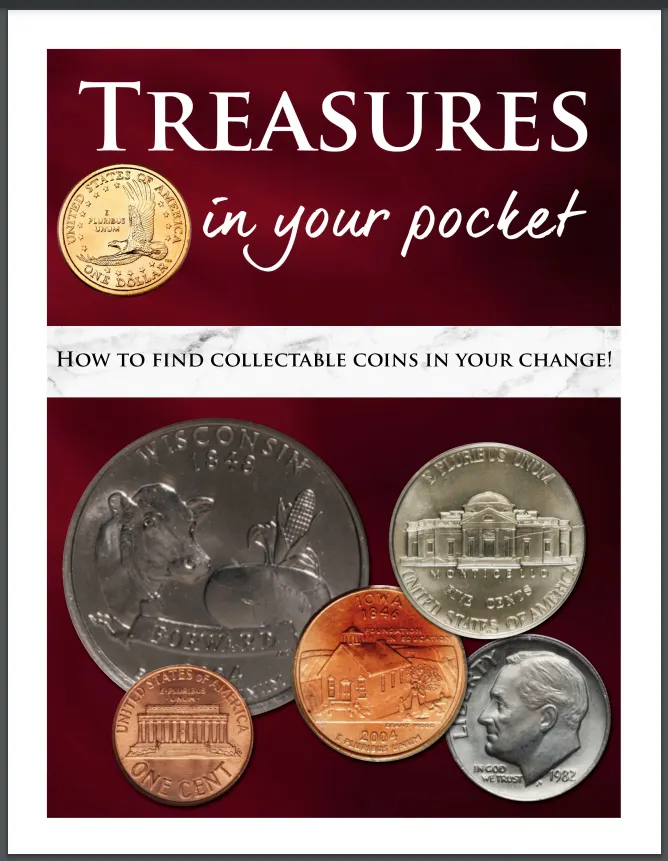
Rare coins are priced from mintage, survival, condition, and buyer interest. Low mintage helps, but a coin nobody seeks may not command a premium. A popular date in high grade can sell for many times its metal value.
Research takes more time. You need catalogues, auction records, and grading knowledge. Our guide to coin value breaks down the factors behind a premium.
Compare costs and risks
Bullion coins usually carry a smaller premium over metal value, so less money is at risk when prices move. Pricing is transparent and coins are often easy to sell quickly.
Rare coins can offer stronger rewards when you find an undervalued piece, but premiums shrink if demand changes. A poor purchase can be hard to unwind. Store either type in inert holders; our storage guide explains how.
Choose the right focus
Ask how much time you want to spend researching. If you prefer a clear price and simple decision, bullion suits you. If you enjoy comparing dates, mint marks, and auction results, rare coins offer a deeper puzzle.
Many collectors combine both. Our guide to starting a collection explains how to set a plan that keeps both aims under control.
Common questions
Can bullion coins become rare?
Some do, especially specific dates, proof versions, or low-mintage issues. Most modern bullion coins remain common, so do not assume a premium without evidence. Check mintage figures and recent sales before paying more than metal value. Verify the claim with sales data.
Which is easier for a beginner?
Bullion is usually easier because pricing is transparent and coins are widely recognised. Rare coins need more study but can be rewarding if you enjoy research. Start with modest pieces while learning either market. Start modestly while you learn. Compare prices as you go.
Do rare coins need certification?
Often, yes. When condition and authenticity strongly affect price, a recognised grade gives both parties a reliable reference. Our guide to certified coins explains whether the cost is justified. Certification is most useful for scarce dates. Check the label against the coin.
Your focus should match your temperament. Bullion offers clarity; rare coins offer research and scarcity. Choose the one you will still enjoy studying after the first purchase.