Gold Coin Cleaning Mistakes That Destroy Value
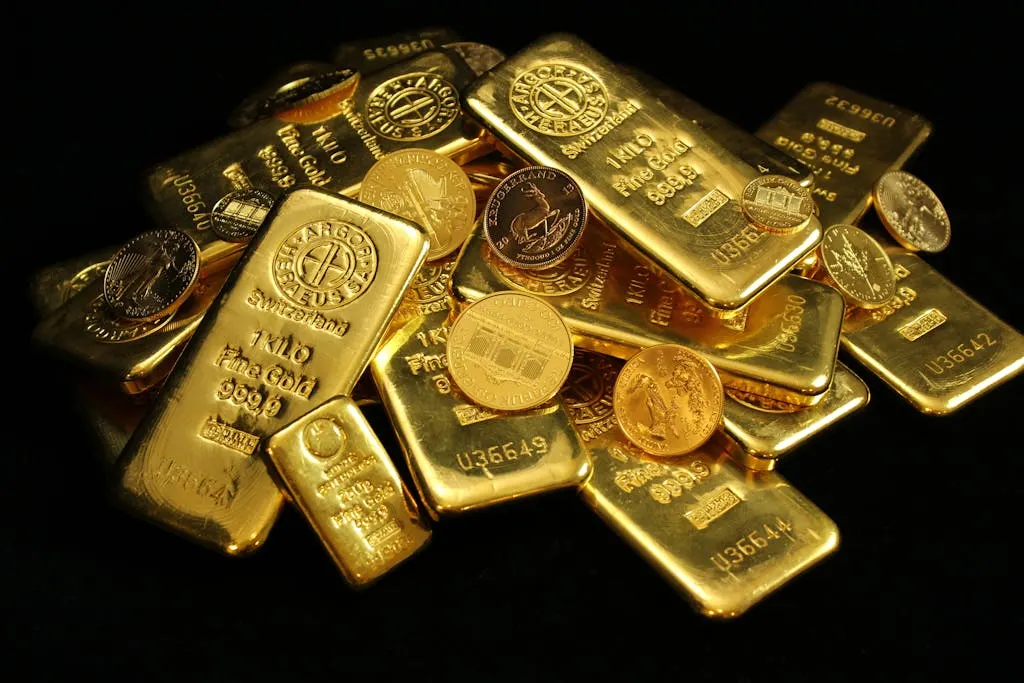
Cleaning a gold coin can remove surface detail, hairlines, and original texture that collectors pay for. Most damage happens quickly: a rough cloth, a dip, or a homemade paste. Before touching a coin, decide whether the goal is preservation or presentation. In most cases, leaving surfaces untouched protects more value than polishing them.
Why surfaces matter
Original luster and toning are part of a coin's condition. A bright, evenly rubbed surface may look cleaner but can grade lower than an untouched example. Graded and ungraded coins both depend on surface quality.
Once hairlines are present, they cannot be reversed. That is why the first decision is always whether to touch the coin at all.
Common mistakes to avoid
Dips, toothpaste, metal polish, and abrasive cloths remove metal as well as dirt. Ultrasonic devices can loosen damaged material on an already fragile coin. Avoid all of them on collectible pieces.
Do not try to strip toning to make a coin look newer. Toning often signals an undisturbed surface, and removing it can reduce collector interest.
What to do instead
Photograph the coin as found and compare it with reference images. Store it in an inert holder and keep handling to a minimum. Safe home storage prevents more problems than later repair.
If loose debris is present, consult a conservator rather than experimenting at home. A small intervention done badly can cost far more than it saves.
When professional conservation is worth it
Conservation may be justified when a rare coin has active corrosion or harmful residue and a specialist documents the work. Keep reports with the coin's history.
For common bullion, appearance matters less. Check value with the valuation method before spending money on any treatment.
Common questions
Does dipping a gold coin ruin it?
Dipping can strip original surface detail and leave a coin unnaturally bright. Repeated dipping increases the risk of hairlines and can affect how a grading service views the piece. Even when the coin looks improved to the eye, the change may reduce what collectors are willing to pay.
Can I remove fingerprints safely?
Fingerprints can be difficult to remove without affecting the surface beneath them. Do not rub the area. Have the coin examined by a conservator if the mark is significant. For an inexpensive bullion coin, leaving the mark alone is usually the safer choice.
Will cleaning raise the grade?
Rarely. Cleaning usually lowers a grade or produces a designation that buyers discount. Grade reflects originality and preserved detail, not shine. A coin that appears cleaner after treatment may be worth less than it was before the work began on its surfaces.
Leave collectible gold untouched unless a qualified specialist recommends otherwise. Preservation is usually the most valuable action available.