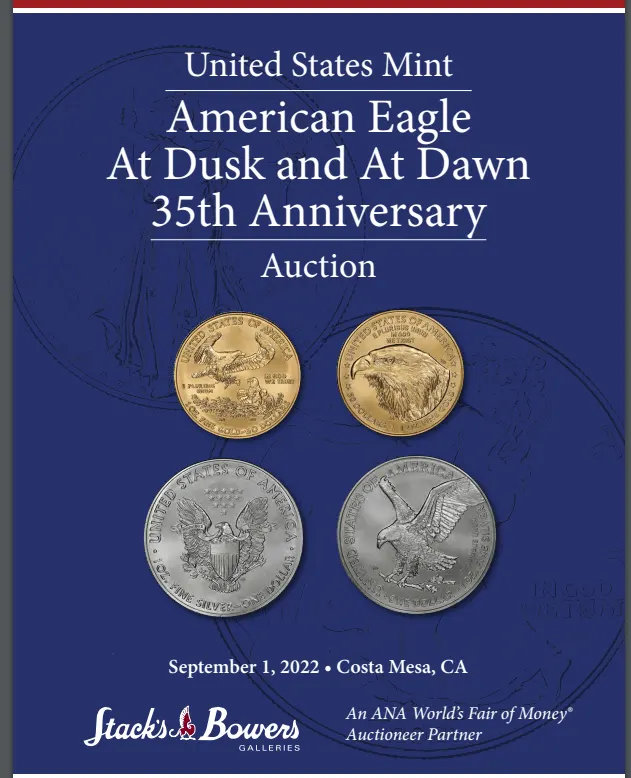
Dealer vs Auction: Where to Sell Gold Coins

Dealers and auctions serve different goals. A local dealer offers speed and a firm quote; an auction exposes a coin to many bidders but adds time, fees, and uncertainty. The right route depends on the coin's liquidity, your timeline, and how well its condition and identity are documented before it goes in front of buyers.
Selling to a dealer
A dealer quote is usually straightforward: you see a number and can settle quickly. This suits bullion and common dates where value follows metal content closely. The spread behind that number is explained in buyback spreads.
The trade-off is price. A dealer needs room to resell, so the offer will sit below the level you might imagine from a retail listing.
Selling at auction
Auction works best for scarce issues that benefit from a wide field of bidders. Competition can lift a result, but fees, photography, cataloging, and settlement time all matter. Coins with a documented history can be stronger lots; see pedigree and provenance.
Results are not guaranteed. A coin that seems remarkable to its owner may attract little interest if the description or grade is not persuasive.
Fees, timing, and risk compared
Compare the net amount after seller fees, buyer-premium structures, shipping, and insurance. Auction timelines can stretch over weeks or months, while a dealer transaction is typically immediate. The decision checklist in when to sell helps set priorities.
Risk differs too. A dealer quote is certain once agreed; an auction result depends on who attends and how the lot is presented.
Prepare the coins either way
Gather dates, mintmarks, grades, certificates, and clear photographs before approaching either route. A tidy collection inventory makes comparisons faster and reduces mistakes in lot descriptions.
Decide in advance which coins belong in each channel. Bullion and key dates rarely need the same sales strategy.
Common questions
Which route is better for bullion coins?
Bullion usually suits a direct dealer transaction. Value tracks metal closely, so a broad auction audience adds little. Compare a few quotes against the spot reference and choose the one with clear settlement terms. Keep coins with genuine numismatic traits for a separate review.
Are auction estimates guaranteed?
No. An estimate is a range suggested before bidding, not a promise of payment. Results depend on attendance, condition perception, and timing. Read past results for similar lots rather than relying on the estimate alone when you are deciding where to consign.
How do I compare a dealer offer with an auction result?
Use net figures after every fee and allow for the waiting period. Add the cost of preparation and shipping to the auction side. Then ask whether the possible upside justifies the extra time, fees, and uncertainty for that particular coin.
Match the route to the coin rather than forcing every piece through one channel. A mixed collection often needs both approaches.